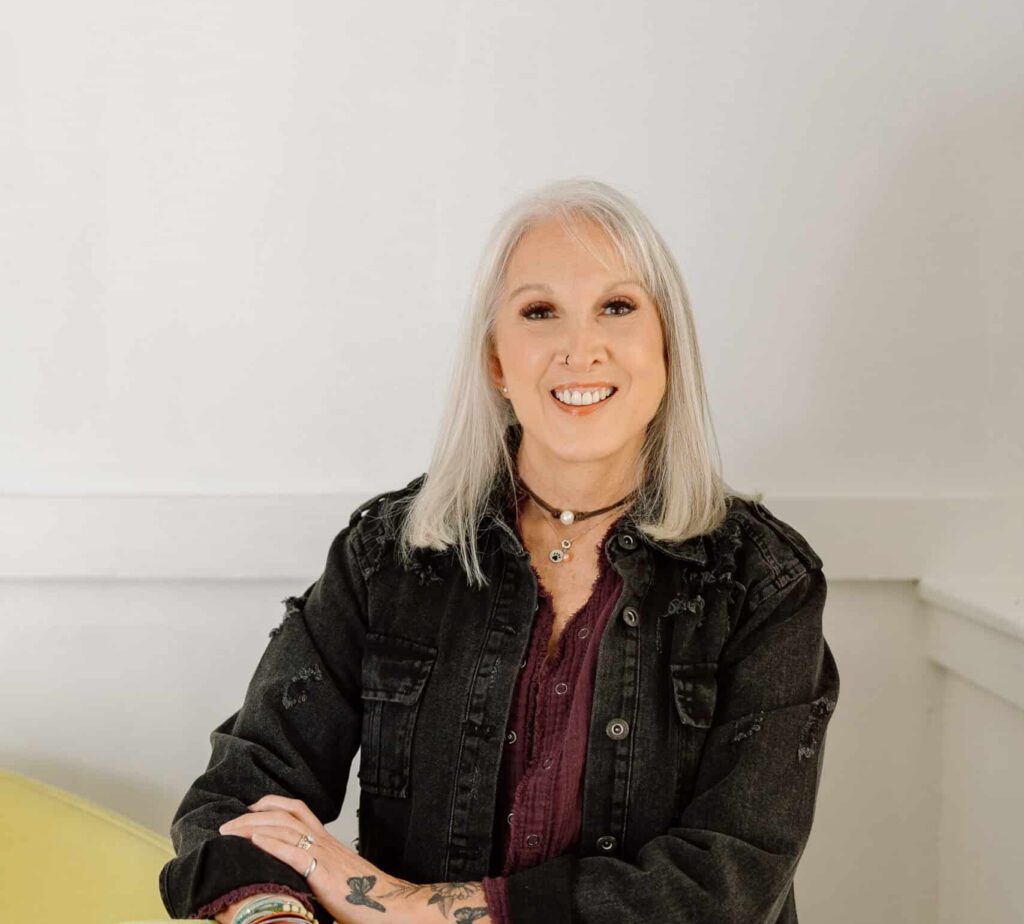
For Dr. Kristie Isaacson, recovery ministry is about far more than helping people overcome addiction. It is about meeting people where they are, loving them without condition, and helping them discover that lasting freedom and hope are possible.
As the founder of Recovering Crossville, Isaacson has dedicated her life to serving individuals facing addiction, trauma, homelessness, mental health challenges, and difficult life circumstances throughout Cumberland County.
The mission is deeply personal.
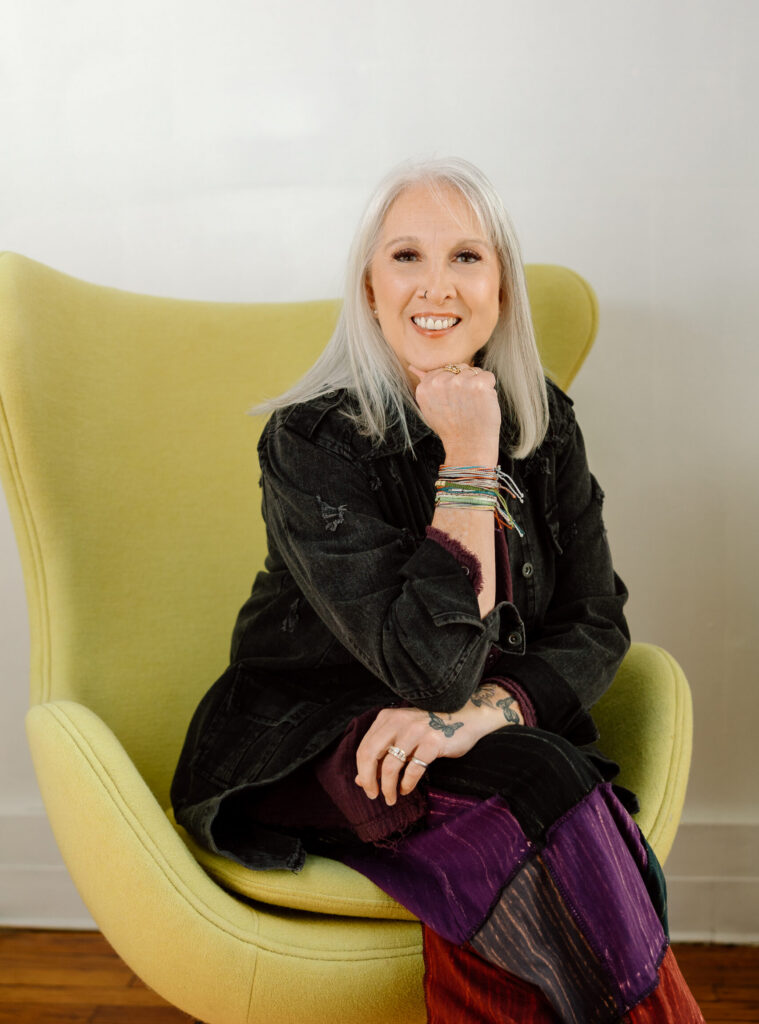
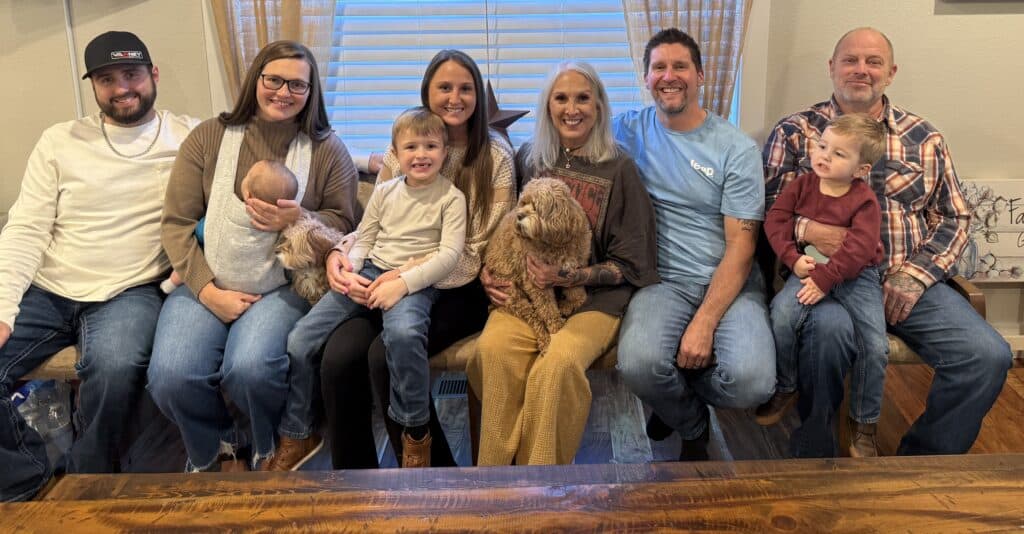
A lifelong resident of the area, Isaacson has spent more than two decades serving as a wife, mother of four, grandmother, ministry leader, counselor, chaplain, and longtime member of Cumberland Fellowship. Her work has taken her into hospitals, nursing homes, homes, and correctional facilities, walking alongside people during some of life’s most difficult moments.
Isaacson’s passion for recovery ministry stems from her own experience growing up in a home affected by addiction.
“I grew up in a very dysfunctional home,” she says. “Both of my parents were addicts. I was introduced to substance use by my own family.”
At the time, addiction was rarely discussed openly.
“We didn’t call it addiction back then,” she explains. “People died because of substance use, but nobody talked about recovery.”
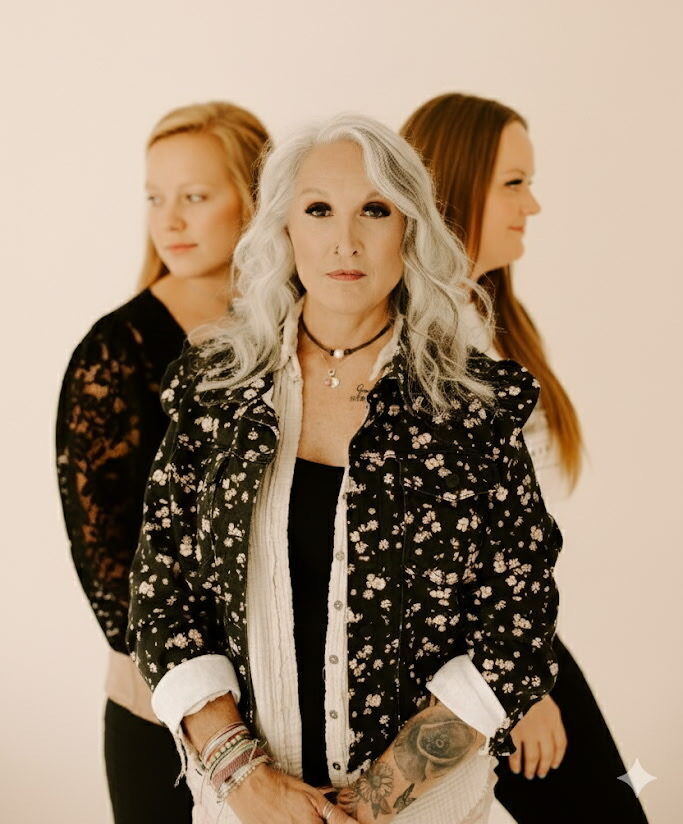
By age 25, Isaacson had stepped away from that lifestyle through a hard-fought relationship with the Lord. There was no structured recovery program, formal support network, or roadmap to healing. She simply held onto her faith and moved forward.
Years later, while completing her doctorate in pastoral counseling, she began researching addiction and recovery for her dissertation. The experience transformed her understanding of her own story.
“I learned what my life really was,” she says. “I learned what my parents really were. I learned what my lifestyle was really called.”
That revelation would eventually become the foundation for Recovering Crossville.
Long before Recovering Crossville officially launched, Isaacson found herself drawn toward serving what Scripture describes as “the least of these.”
Through years of ministry, counseling, education at Liberty University, and community outreach, she continually encountered individuals struggling with addiction, homelessness, trauma, and emotional wounds.
After completing her dissertation, she shared her work with Cumberland Fellowship Pastor Sam Tollett.
His response was simple.
“Go build it.”
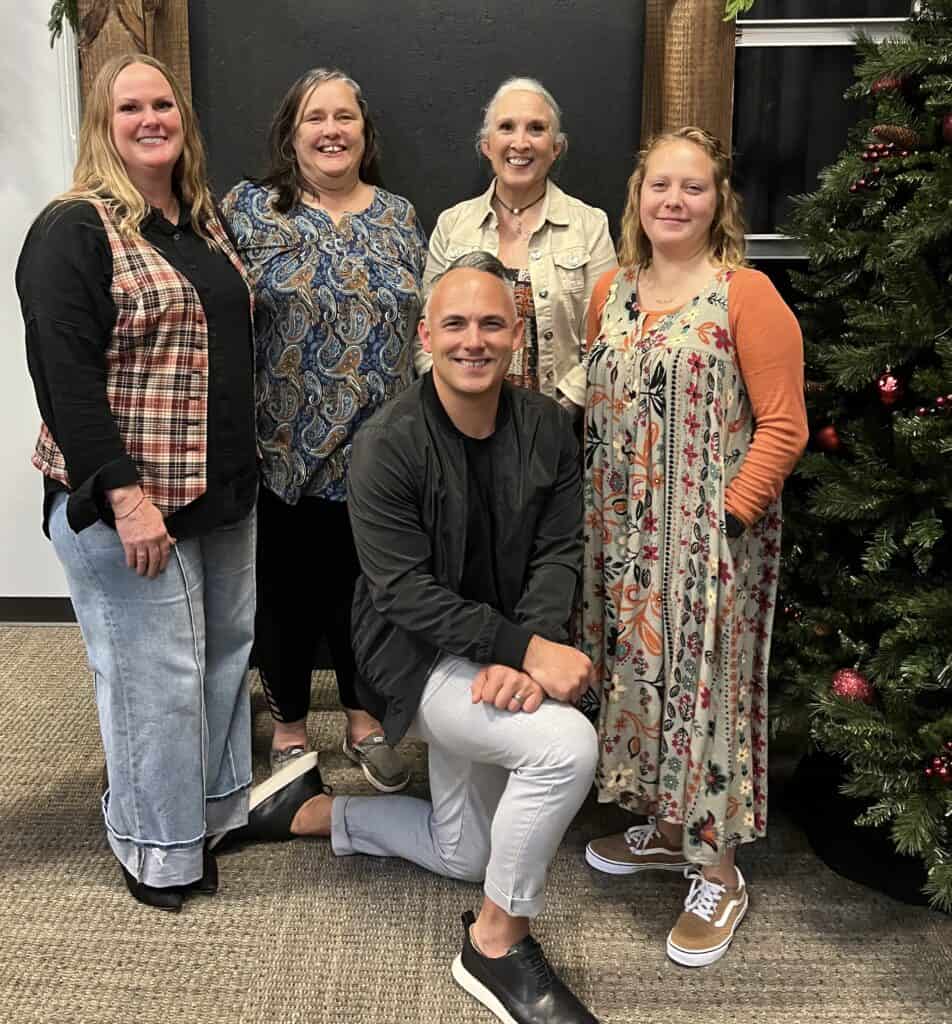
Today, Recovering Crossville is approaching three years of ministry and continues to expand its impact throughout the community.
While many people associate Recovering Crossville primarily with addiction recovery, Isaacson says the organization’s work reaches much deeper.
Recovery often intersects with mental health struggles, family dysfunction, trauma, homelessness, and emotional pain that existed long before substance abuse began.
“We live in such a hopeless world,” Isaacson says. “And if we can truly meet people where they are, regardless of what grip the enemy has on them, then they can begin to see that there is hope.”
That philosophy shapes every aspect of the organization’s mission.
Recovering Crossville works alongside numerous organizations throughout Cumberland County, including local churches, the court system, the Cumberland County Jail, the Department of Children’s Services, Habitat for Humanity, Good Samaritans, Creative Compassion, and Cumberland Fellowship’s Storehouse Ministry.
The organization provides:
Together, these efforts create a network of support designed to help individuals rebuild their lives.
One of the organization’s most impactful programs is Next Level Living, a transitional housing initiative designed to help women leaving rehabilitation programs successfully transition into independent living.
The program provides a safe, fully furnished environment where women can learn essential life skills, establish healthy routines, manage finances, regulate emotions, and navigate daily responsibilities without the influence of substances.
Recognizing an ongoing need in the community, Recovering Crossville is now expanding with a ten-bed women’s residential recovery facility currently under construction.
The goal is to help women develop foundational life skills before moving into transitional housing and eventually independent living.
“So many of them have learned every life skill they have under the influence,” Isaacson explains. “When they get sober, they are learning to walk all over again.”
The impact of Recovering Crossville can often be seen through the stories of the individuals it serves.
Isaacson recalls one woman who arrived fifteen days sober and living in her car. She had no job, no stability, and little understanding of what a healthy future could look like.
Her only request was simple:
“Give me all the rules.”
Recovering Crossville walked alongside her through the recovery process.
More than two years later, she has maintained steady employment, regained custody of five children, and recently signed paperwork on her first home through a partnership with Habitat for Humanity.
“That’s why,” Isaacson says.
Recovery work is not without heartbreak.
There are relapses, setbacks, overdoses, and losses. Some individuals struggle to overcome the weight of addiction despite the support they receive.
Isaacson acknowledges those realities openly.
If success were measured only by long-term sobriety statistics, the work could feel discouraging.
Instead, she views success through a broader lens.
“Our mission is not just to save them and set them free here,” she says. “If we love them long enough and consistently enough, then they’re going to want to know why.”
For Isaacson, the ultimate goal is helping people discover both recovery and faith.
Recovering Crossville is not built on easy answers or quick fixes.
It is built on relationships, consistency, compassion, and a belief that no one is beyond redemption.
Isaacson serves not from a distance, but from personal experience, calling, and a deep understanding of what it feels like to need hope.
Through Recovering Crossville, she continues to create opportunities for healing, restoration, and transformation throughout Cumberland County.
In a world where many people feel forgotten, that kind of hope matters.
And through Recovering Crossville, Dr. Kristie Isaacson is making sure it always has a place to move in.
Written by Melissa Ellis
Photography by Olivia Merritt